


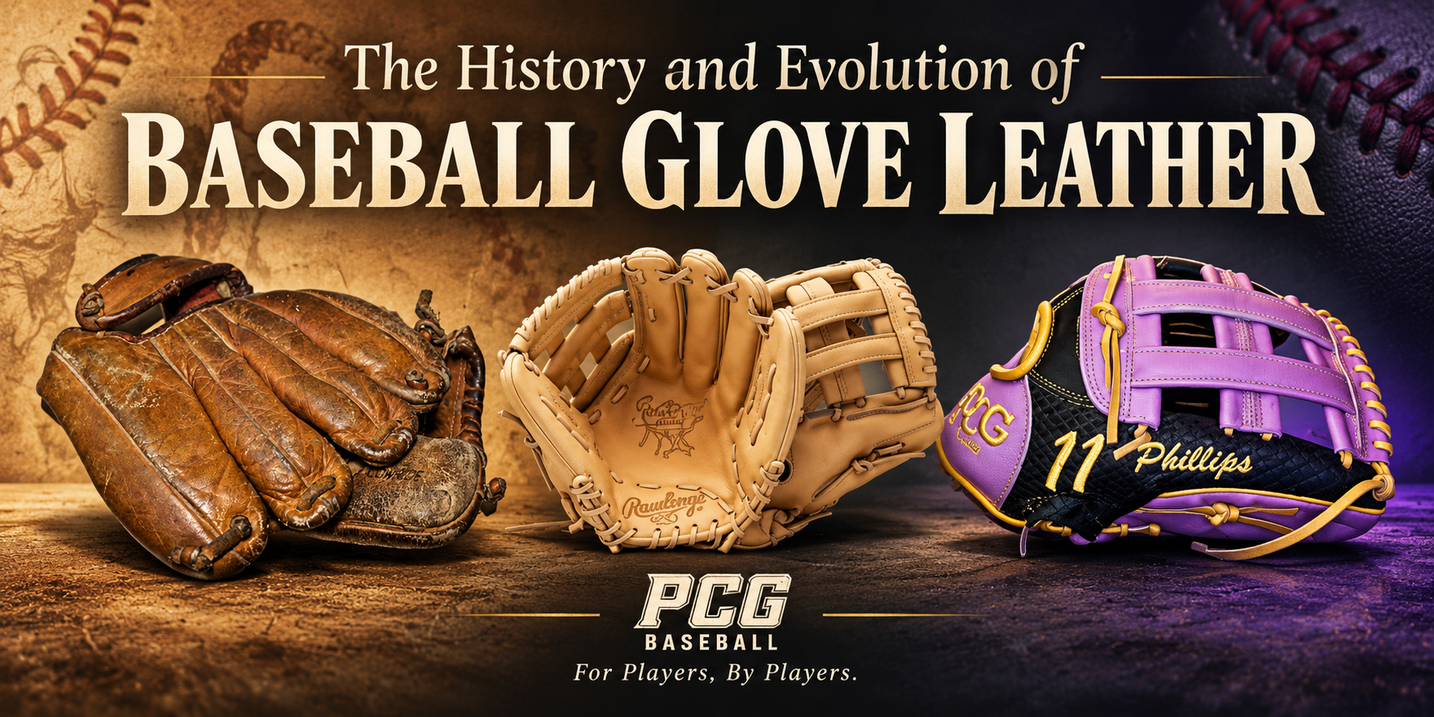
The History and Evolution of Baseball Glove Leather
From early work gloves to modern American Kip leather
At Parkies Custom Gloves, we’re often asked: “Why do you use American Kip leather?” Another common question is: “Which leather is best for me?”
To understand the differences, it helps to look at how baseball gloves evolved. What began as basic hand protection has become a carefully designed piece of equipment, with leather playing a major role in its feel, structure, and performance.
The Early Days: Protection Before Performance
In the 1870s, baseball gloves looked very different from the gloves we use today. Players often adapted work gloves or driving gloves to protect sore hands, sometimes adding their own padding.
Catcher Doug Allison reportedly wore buckskin gloves in 1870, while Charles “Charlie” Waitt became an early example of a fielder wearing a glove in 1875. Their purpose was simple: soften the impact of catching a baseball.
As gloves became more accepted during the 1880s and 1890s, manufacturers developed purpose-built designs with padding, early pockets, and webbing.
The Turn of the Century: Horsehide Takes Hold
After the turn of the century, horsehide became a common glove material because horses and their hides were plentiful.
These gloves remained relatively small and basic, but manufacturers were gradually developing equipment that could help players secure the ball as well as protect their hands.
The 1920s: A Better Pocket Changes the Game
In 1919, pitcher Bill Doak approached Rawlings with an idea for an adjustable laced web between the thumb and index finger. Released in 1920, the Doak model helped establish a deeper, more functional catching pocket.
That innovation marked an important step toward the modern glove.
Historical source: National Baseball Hall of Fame — The Evolution of Baseball Gloves
The Mid-20th Century: Premium Leather Becomes a Defining Feature
As glove designs advanced, the quality of the leather became an increasingly important selling point.
Wilson introduced the A2000 in 1957, establishing a glove line that would become a lasting part of the game. Rawlings’ Heart of the Hide series also built its reputation around premium steerhide and dependable performance.
These gloves helped establish the appeal of a firm, structured glove that players could gradually shape to their own preferences.
Sources: Wilson A2000 · Rawlings Heart of the Hide
The Modern Era: More Choice, More Customization
Today, players can choose from different leathers, patterns, web styles, and levels of stiffness.
Kip leather has an established place in premium glove construction. Rawlings, for example, uses kip leather in its Pro Preferred line, while Heart of the Hide uses steerhide. Both are premium options with different characteristics and playing feels.
At PCG, we use American Kip leather for our custom fielding gloves because we value its balance of feel, manageable weight, and durability.
Understanding the Different Leather Types
The leather name is a useful starting point, but it doesn’t tell the whole story. Hide selection, tanning, thickness, lining, padding, and construction all influence how a finished glove performs.
| Leather type | Source and typical characteristics | Who might prefer it? |
|---|---|---|
| Steerhide | Leather from mature steers. Often firm and substantial, with good structure and shape retention. Usually requires a more involved break-in. | Players who enjoy a firm glove and want to shape it gradually. |
| Kip leather | Leather from younger cattle. Often valued for its smooth, fine grain and balance of strength, flexibility, and weight. Break-in varies by construction. | Players seeking a premium feel with manageable weight, including infielders and players at other positions. |
| Cowhide | A broad cattle-leather term. In glove retail, it often describes softer, more accessible options, although quality varies considerably. | Youth, recreational, and developing players who prioritize comfort and easier closure. |
| Pigskin | Leather from pigs, commonly associated with flexible, affordable glove options. Performance depends on its processing and construction. | Beginners and casual players looking for an accessible starting point. |
Rawlings’ own comparison describes its kip leather as typically softer and more consistent than its premium steerhide, while noting that both offer similar performance benefits.
Source: Rawlings’ Leather Comparison
Why PCG Uses American Kip Leather
Our goal is to offer a custom glove that feels good on your hand and gives you the structure to develop a pocket suited to your game.
American Kip leather supports that goal through several qualities:
A smooth, refined feel. Kip leather is valued for its fine grain and comfortable feel as it breaks in.
A balance of weight and strength. Players often choose kip for a glove that feels manageable without giving up the substance they want in a leather shell.
The ability to develop a personal fit. A well-built glove becomes more familiar with use, gradually taking on the shape and closure its player prefers.
Kip still needs a proper break-in. A premium leather label doesn’t automatically mean a glove will arrive game-ready, and a softer surface doesn’t necessarily mean a softer overall glove.
Which Leather Is Best for You?
Start with how you want your glove to feel and function.
If you enjoy a firm, heavier ,substantial glove and don’t mind spending time breaking it in, premium steerhide may suit you.
If you want a smooth feel and a balance of weight, flexibility durability and structure, kip leather is the glove for you. the choice of many pros..
For a younger player or someone playing casually, a softer cowhide or pigskin glove may provide the easier closure they need.
Fit matters just as much. The right leather won’t make up for finger stalls that are too loose, a pocket that doesn’t suit your position, or a glove you struggle to close.
Build a Glove That Fits Your Game
Baseball gloves have come a long way—from repurposed work gloves to carefully constructed custom designs. Understanding the leather helps you choose with confidence and find a glove that suits the way you play.
At Parkies Custom Gloves, we bring American Kip leather and personal customization together so you can create something that feels like your own.
Your design. Your colours. Your glove.
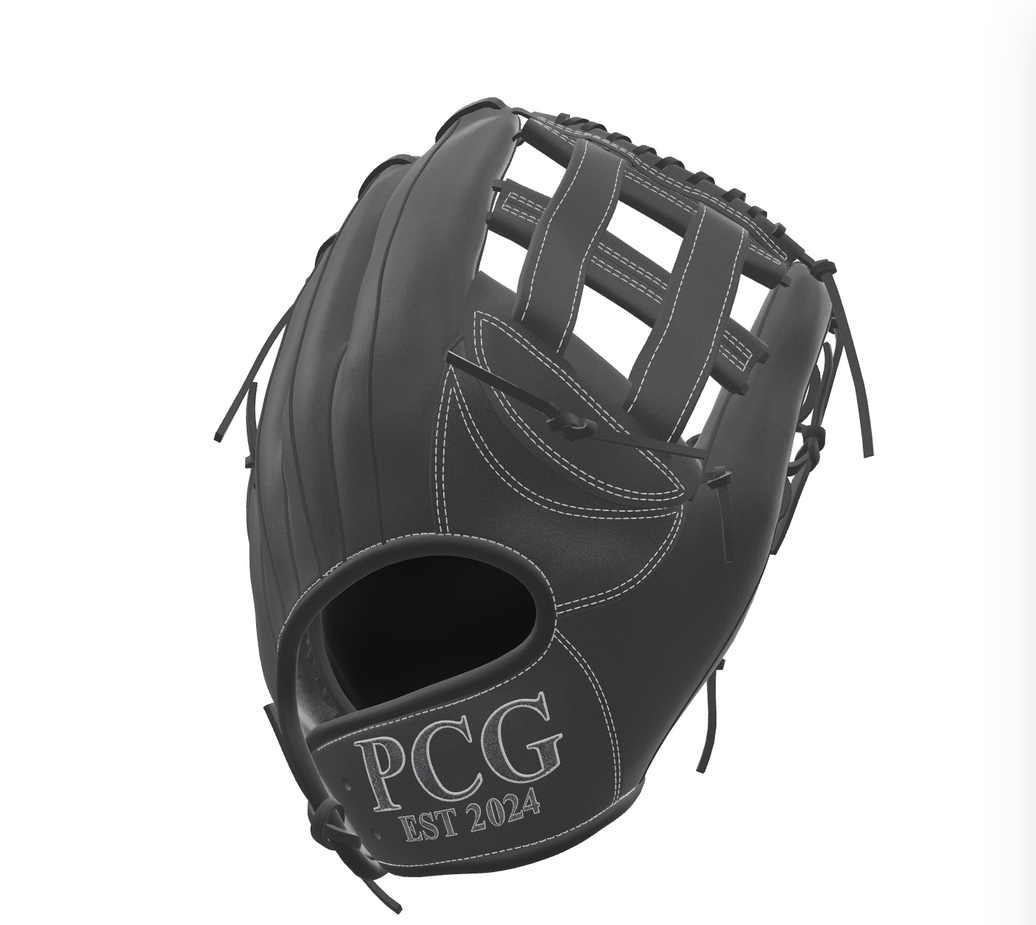
Explore the PCG 3D Glove Builder at parkiescustomgloves.com.
PCG — For Players, By Players.
Laisser un commentaire